
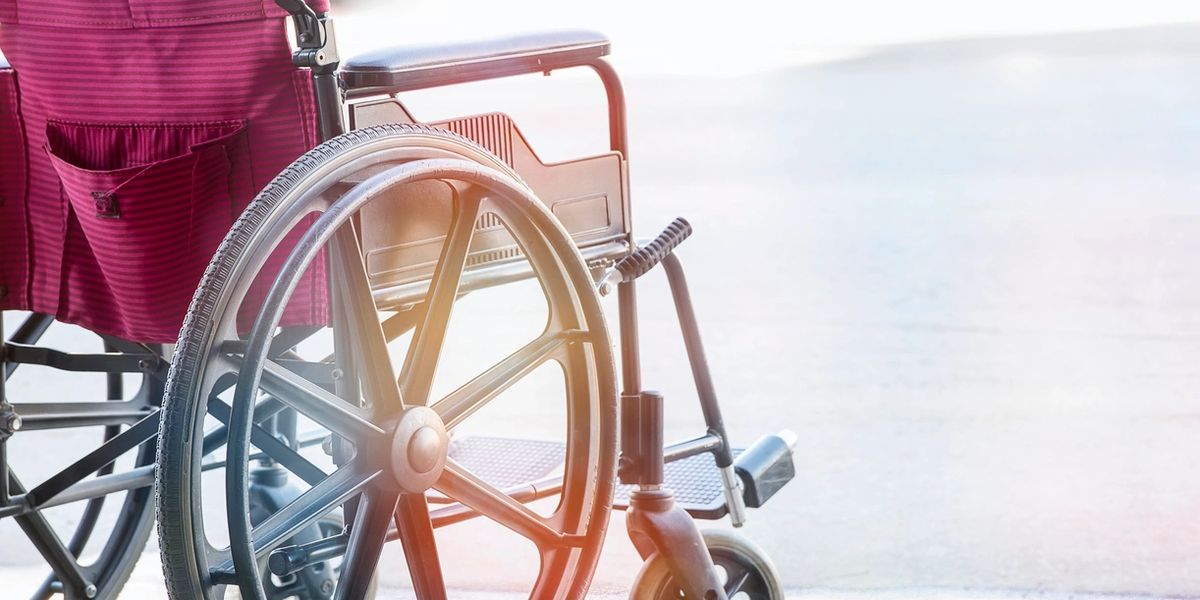
Selecting the right equipment is not a simple process. There is no one-size-fits-all approach — the wrong choice can result in wasted time and money, reduced independence, and in some cases a risk of injury or accidents. Occupational Therapists provide the clinical expertise to assess, select, and trial the most appropriate aids and equipment for each participant’s individual needs, helping them reach their full potential at home and in the community.
What does the assessment involve?
During the initial assessment, the Occupational Therapist evaluates the participant’s functional needs and discusses the most suitable equipment options to support their safety and independence at home. This is not simply a catalogue exercise — the assessment considers the participant’s physical capacity, home environment, daily routines, and the level of support available from family members and carers.
Where appropriate, the Occupational Therapist liaises directly with equipment providers to arrange trials of specific items in the participant’s own home. Trialling equipment before committing to a purchase is an essential part of the prescription process — it ensures the item is the right fit for the participant’s functional requirements, and gives the participant and their carer the opportunity to use it in their everyday environment before a final decision is made.
Once the most appropriate equipment has been identified, the Occupational Therapist arranges installation where required and provides hands-on education and training to the participant and their carers, so that the equipment can be used safely and as independently as possible.
Types of aids and equipment
Our Occupational Therapists can assess for and prescribe a wide range of specialised aids and equipment, including:
Small aids for everyday life
Adaptive cutlery, long-handled washing and dressing aids, and toileting aids to support independence with personal care and daily living tasks.
Mobility and transfer aids
Walking belts, manual wheelchairs, electric wheelchairs, motorised scooters, and hoists to support safe movement and transfers at home and in the community.
Bathroom equipment
Shower chairs, over-toilet seats, bath boards, mobile shower commodes, and transfer benches to promote safety and independence during personal care.
Pressure care and positioning
Pressure-relieving mattresses and cushions, height-adjustable beds, specialised seating systems, and electric recliners to support skin integrity, comfort, and positioning for participants with complex needs.
Funding for aids and equipment
Many aids and equipment items can be funded through the AT-HM Scheme under Support at Home, the NDIS, CHSP, or private funding. Our Occupational Therapists can advise on the most appropriate funding pathway based on your participant’s current approvals and individual circumstances.
If you would like to discuss a participant’s equipment needs with one of our Occupational Therapists, please do not hesitate to get in touch.
📞 (02) 8970 4632
✉ info@superrehab.com.au
🌐 superrehab.com.au/occupational-therapy