
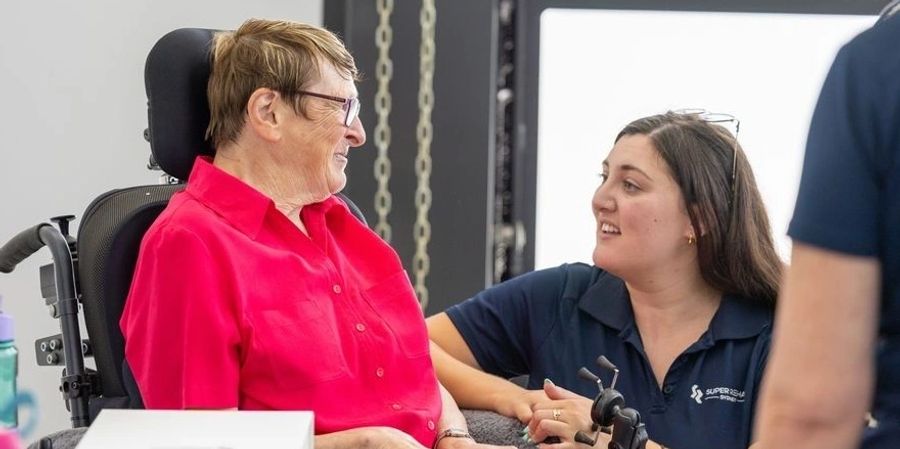
A hospital stay focuses on acute care — but the period immediately after discharge is often when a person’s support needs are at their highest. Without the right allied health input during this window, the risk of complications, functional decline, and readmission rises significantly. A structured transitional therapy program delivered in the home can make the difference between a smooth recovery and a premature return to hospital.
What is the Transitional Therapy Package?
The Transitional Therapy Package is a six-week home-based allied health program designed to support older adults returning home after a hospitalisation or respite stay. It is suitable for people who have experienced a medical emergency, a mechanical fall, elective surgery, or general deconditioning, as well as those returning home from a respite placement in a care facility.
The program is particularly well suited to participants who live alone, have limited informal support at home, or who carry a carer role themselves. By providing regular, structured allied health care in the participant’s own environment, the program supports recovery, builds confidence, and reduces the risk of readmission to hospital.
Who is involved?
The Transitional Therapy Package is built around a multidisciplinary team, with an Occupational Therapist and Physiotherapist as the core clinicians. The program is participant-centred, with the therapy plan designed around each individual’s functional needs and recovery goals.
Where additional clinical input is needed, a Speech Pathologist, Dietitian, or other allied health professional can be introduced as part of the team. The package is time-critical by design — early intervention in the post-discharge period produces the best outcomes.
How does the program work?
An Occupational Therapist or Physiotherapist will arrange a home visit within 48 hours of the participant returning home. This initial visit assesses the participant’s functional status and identifies their ongoing allied health needs. Where relevant, the treating therapist will liaise with the hospital’s multidisciplinary team to obtain information on inpatient treatment and any recommendations made at discharge.
Following the initial assessment, the therapist will discuss an individualised therapy plan with the participant covering the next six weeks. A typical plan may include twice-weekly Physiotherapy sessions, an initial Occupational Therapy review, and a follow-up review at week six. The plan is reviewed and discussed with the participant throughout the program, and can be shortened or extended based on individual progress and need.
Scope of therapy and intervention
Physiotherapy
- Recovery from surgery — including joint replacement, cardiac surgery, and neurological surgery
- Shoulder and neck manual therapy
- Indoor and outdoor mobility assessment and retraining
- Strengthening exercises for upper and lower limbs
Occupational Therapy
- Functional task retraining — including self-care, meal preparation, and laundry
- Cognitive assessment and retraining
- Home modification recommendations — including grab rails, handrails, steps, and ramps
- Equipment prescription and customisation
- Falls prevention education in the home environment
- Community access planning including use of public transport
Funding
The Transitional Therapy Package may be funded through the Commonwealth Home Support Program (CHSP), the Restorative Care Pathway under Support at Home, or other relevant funding streams depending on the participant’s current approvals. Our team can assist with identifying the most appropriate funding pathway.