
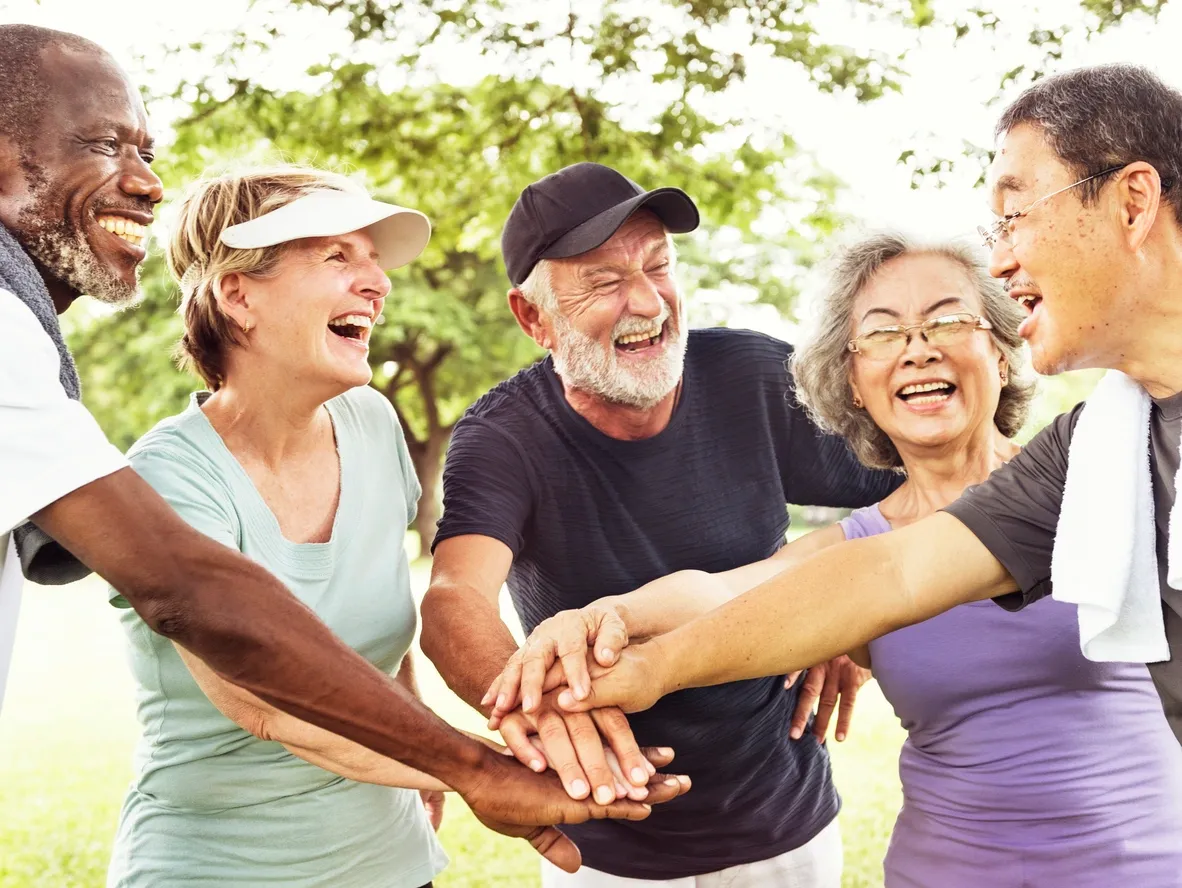
As a care manager or support coordinator, you play a vital role in helping your clients achieve their goals and live fulfilling lives. One crucial aspect of this is promoting active ageing, which can have a transformative impact on their overall wellbeing.
What is Active Ageing?
Active ageing is the process of optimising opportunities for health, participation, and security in order to enhance the quality of life as people age. It involves staying physically, socially, and mentally active, and engaging in activities that bring purpose and joy. By embracing active ageing, your clients can take control of their health and wellbeing, and live life to the fullest.
The Consequences of Inactivity in Ageing Adults
Not being active can have significant consequences for ageing adults, including:
- Reduced Physical Function and Mobility: Inactivity can lead to a decline in physical function and mobility, making everyday tasks more challenging and increasing the risk of falls and injuries.
- Poor Mental Health and Wellbeing: Inactivity has been linked to depression, anxiety, and other mental health concerns in ageing adults.
- Chronic Condition Management: Inactivity can worsen chronic conditions such as diabetes, heart disease, and some cancers, reducing quality of life and increasing healthcare costs.
- Social Isolation and Loneliness: Inactivity can lead to social isolation and loneliness, further exacerbating mental and physical health concerns.
- Cognitive Decline: Inactivity has been linked to cognitive decline and an increased risk of dementia and Alzheimer’s disease.
Simple Steps to Active Ageing
Regardless of their condition, people can start being active in many ways, such as:
- Taking a short walk each day: This can help improve mobility, balance, and overall physical function.
- Engaging in light stretching or yoga: This can help improve flexibility, balance, and reduce the risk of falls.
- Participating in social activities: This can help reduce social isolation and loneliness, and improve mental health and wellbeing.
- Trying new hobbies or activities: This can help stimulate the mind, improve cognitive function, and bring joy and purpose.
The Benefits of Active Ageing
Additionally, active ageing can bring numerous benefits to your clients’ lives, including:
- Improved Physical Function and Mobility: Regular physical activity can help improve strength, flexibility, and balance, reducing the risk of falls and injuries.
- Enhanced Mental Health and Wellbeing: Active ageing can help reduce stress, anxiety, and depression, while improving overall mental health and wellbeing.
- Increased Independence and Confidence: By staying physically and mentally active, your clients can maintain their independence and confidence, living life on their own terms.
- Effective Chronic Condition Management: Active ageing can help manage chronic conditions such as diabetes, heart disease, and some cancers, reducing the risk of complications and improving overall health.
- Enhanced Cognitive Function and Memory: Engaging in mentally stimulating activities and social connections can help improve cognitive function and memory, reducing the risk of dementia and Alzheimer’s disease.
- Stronger Social Connections and Community Engagement: Active ageing can help build social connections and community engagement, reducing the risk of social isolation and loneliness.
How Super Rehab Can Help
At Super Rehab, our team of experts, including occupational therapists, exercise physiologists, speech pathologists, and physiotherapists, work together to provide comprehensive programs tailored to each client’s needs. Our services include:
- Personalized Exercise Programs: Our exercise physiologists can develop personalized exercise programs that cater to your clients’ specific needs and goals.
- Fall Prevention and Balance Training: Our physiotherapists can provide fall prevention and balance training to reduce the risk of falls and injuries.
- Chronic Condition Management: Our team can help your clients manage chronic conditions such as diabetes, heart disease, and some cancers.
- Rehabilitation and Recovery Support: Our team can provide rehabilitation and recovery support to help your clients overcome setbacks and challenges.
- Home Visits and Community-Based Programs: Our team can provide home visits and community-based programs to support your clients in their daily lives.
- Social Connections and Community Engagement Opportunities: Our team can help your clients build social connections and community engagement through group activities and social events.
Empowering Your Clients to Thrive
By incorporating active ageing principles into their daily routine, your clients can experience significant improvements in their overall wellbeing. Our team at Super Rehab is dedicated to supporting your clients’ active ageing journey, helping them overcome obstacles and achieve their goals. Contact us to learn more about how we can work together to support your clients’ active ageing needs.
Working with Clients from All Walks of Life
At Super Rehab, we work with clients from all parts of life, including older adults, individuals with disabilities, and those recovering from injuries or illnesses. Our team of experts provides a range of services, including occupational therapy, physiotherapy, and exercise physiology, to help our clients achieve their goals and live independently.
Whether your clients need support with daily activities, rehabilitation, or chronic condition management, we are here to help.
Contact us today to learn more about how we can support your clients’ health and wellbeing.