
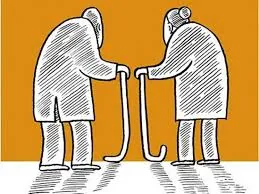
Falls are common among older adults aged 65 and over, and can lead to a range of injuries — from minor bruises, cuts, and abrasions to fractures of the limbs and hips. A cluttered home, poor balance, and insufficient lighting can all contribute to a fall. Beyond the physical impact, falls and related injuries can make everyday activities more difficult and restrict participation in more physically demanding tasks. Some people become so afraid of falling that they lose confidence and stop doing the things they used to enjoy.
Occupational Therapists can evaluate each participant’s individual physical capacity and observe their performance of daily activities within their home environment. They help participants identify fall risks in the home, and discuss practical solutions and strategies to minimise or eliminate those risks. In many cases, simple changes to the home environment can make a significant difference. The following tips are shared by our Occupational Therapists to help older adults reduce their risk of falls at home:
Grab rails and handrails
Installing grab rails in the shower recess or next to the toilet can provide essential support for participants who experience difficulty balancing during personal care tasks or functional transfers. A handrail along internal or external stairs can also improve safety and confidence during everyday mobility around the home.
Furniture arrangement and floor surfaces
Rearranging furniture to create clear, generous walkways is particularly important for participants who use a walking stick or walker. Loose mats and rugs are a common trip hazard and should be removed where possible, or secured firmly by taping the edges to the floor.
Accessing everyday items safely
Take time to review where frequently used items are stored throughout your home. Aim to keep them between shoulder and waist height to avoid the need for overreaching, bending, or standing on a chair to retrieve something out of reach. Small changes to storage can significantly reduce fall risk during routine daily tasks.
Lighting
Assess the lighting in every area of your home, paying particular attention to internal hallways, staircases, and any other areas that tend to be poorly lit. Adequate night lighting on the path to the bathroom is especially important, as many falls occur during the night when people are moving around in low light.